Burnout doesn’t usually arrive all at once. It sneaks in—between unread emails, skipped lunches, endless meetings, and the feeling that you’re always behind.
The good news? You don’t need a sabbatical, a new job, or a total life reset to feel better. Sometimes, tiny daily workday rituals can make the biggest difference.
These small, intentional habits help reduce stress, protect your energy, and create breathing room in even the busiest schedules. If you’ve been feeling mentally drained, overwhelmed, or emotionally exhausted, these 17 tiny workday rituals might just save you from burning out completely.
It sounds like you’re building a solid foundation for this blog post. Shifting the focus from “surviving the chaos” to “creating predictability” is exactly how you make these habits stick.
Here is the left-aligned format for the next section of your blog:
Why Tiny Workday Rituals Matter
Burnout thrives on chaos and constant pressure. Rituals—no matter how small—create predictability, control, and moments of calm throughout your day.
Unlike big lifestyle changes, tiny rituals are:
Easy to stick to
Low effort, high impact
Sustainable even during busy weeks
Think of them as emotional pit stops for your brain.
1. Start Your Day Without Immediately Checking Emails
Opening emails the moment you wake up puts your brain into reactive mode. Instead, give yourself 10–15 minutes to ease into the day—stretch, sip your coffee, or simply breathe.
This small pause sets a calmer tone and reduces anxiety before work even begins.
2. Create a “Soft Start” Work Ritual
Rather than diving straight into demanding tasks, begin your workday with something gentle—organizing your to-do list, reviewing priorities, or clearing your workspace.
A soft start helps your brain transition into focus mode without overwhelm.
3. Write Down Your Top 3 Priorities (Only)
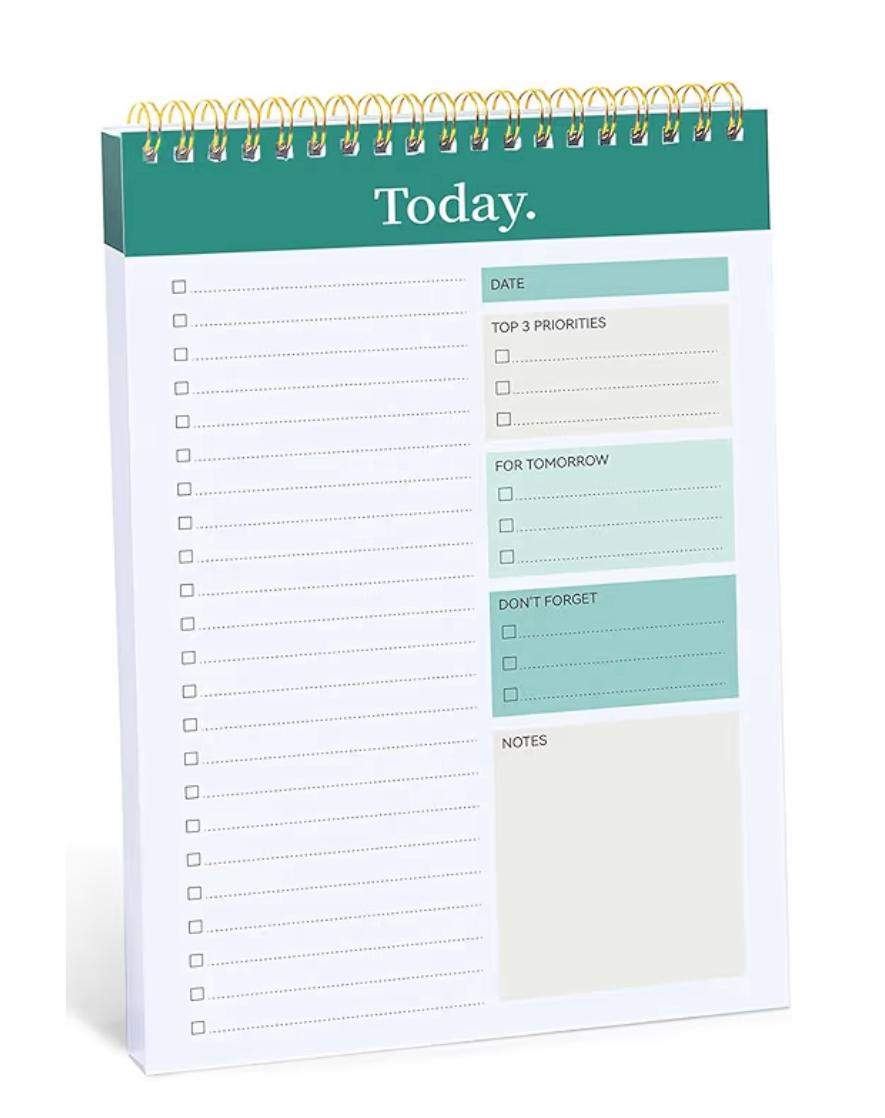
Long to-do lists fuel burnout. Each morning, write down just three important tasks you realistically want to complete.
Finishing these gives you a sense of accomplishment—even if the rest of the day gets messy.
GET YOUR PLANNER NOW !!
4. Take a 2-Minute Breathing Reset
Set a reminder to pause and take slow, deep breaths once or twice a day. Inhale for four seconds, exhale for six.


This tiny ritual lowers cortisol levels and instantly calms your nervous system
5. Step Away From Your Screen Every 90 Minutes
Your brain isn’t designed for nonstop screen time. Stand up, stretch, or look out a window every 60–90 minutes.
Even two minutes away from your screen can refresh your focus and reduce mental fatigue.
6. Eat Lunch Without Multitasking
Scrolling, replying to messages, or working while eating disconnects you from your body. Try eating at least a few lunches per week without screens.
Mindful eating improves digestion, energy levels, and overall mood.
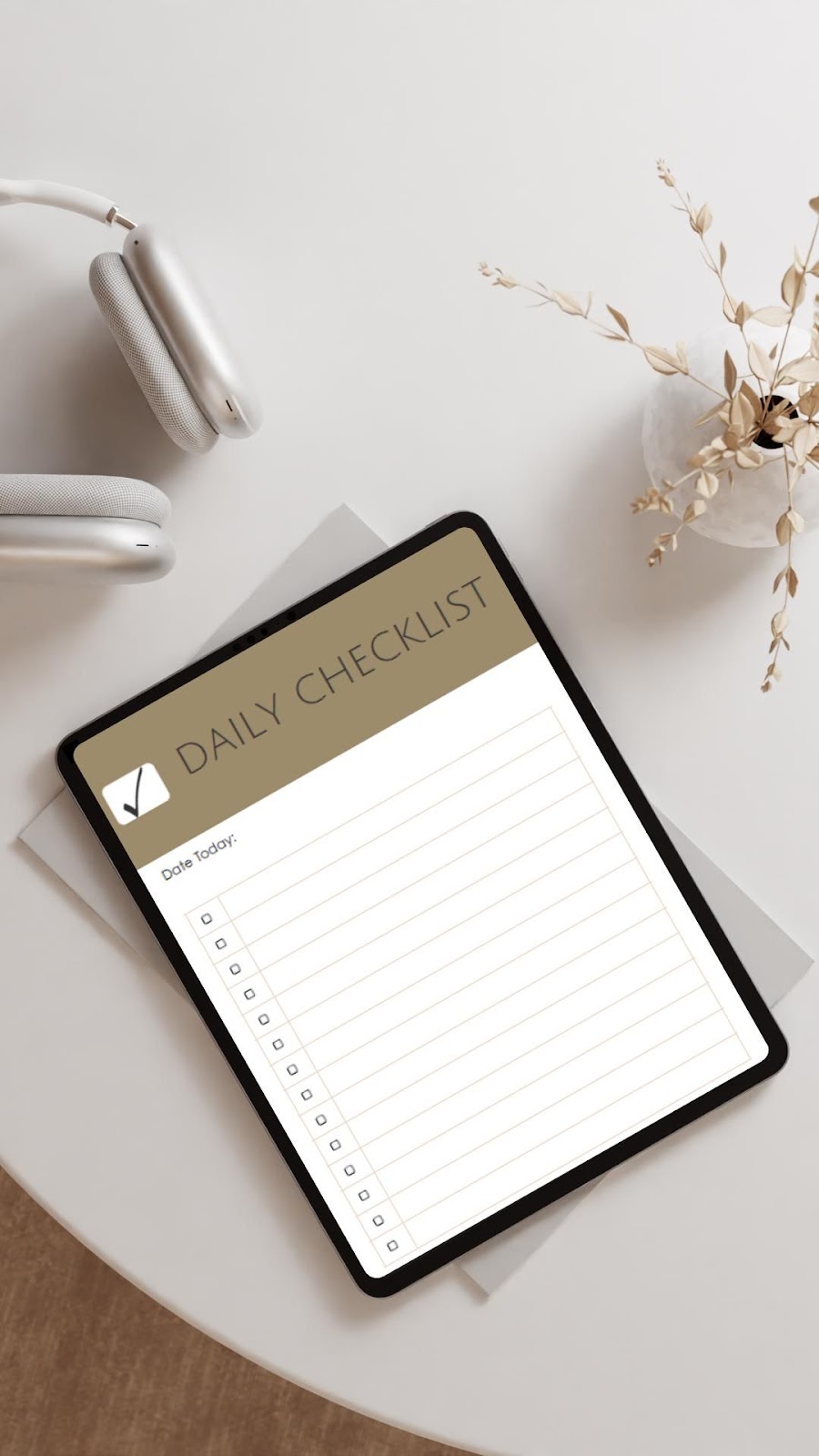
7. Keep a “Done List” Alongside Your To-Do List
Instead of only tracking what’s left to do, write down what you’ve already completed.
This tiny shift trains your brain to notice progress instead of constantly feeling behind.
GET YOUR TO-DO LIST NOW !!
8. Add a Midday Mood Check-In
Once a day, ask yourself:
How am I feeling right now?
What do I need more or less of?
This simple check-in builds emotional awareness and prevents stress from piling up unnoticed.
GET YOURSELF SELFCARE CANDLES NOW !!
9. Drink Water Like It’s a Ritual, Not a Reminder
Dehydration worsens fatigue and brain fog. Make drinking water a ritual—every meeting, every task switch, or every hour.
Pairing hydration with an existing habit makes it feel effortless rather than like another chore.
GET YOURS NOW !!
10. Tidy One Small Area of Your Workspace
A cluttered space can quietly increase stress. You don’t need a full clean—just clear one drawer, one corner, or your desktop.
A visually calmer space equals a calmer mind.
SHOP NOW !!
11. Create a “No-Meeting” Micro Block
Even 30 minutes without meetings can feel luxurious. Use this time for focused work, creative thinking, or simply breathing room.
Protecting small blocks of uninterrupted time helps prevent mental overload.
12. Change Your Physical Position During the Day
Sit, stand, stretch, walk—rotate how your body moves. Physical stagnation contributes to emotional exhaustion.
Movement boosts circulation, energy, and mental clarity.
SHOP NOW !!
13. Stop Work With a Closing Ritual
Instead of abruptly shutting your laptop, create a small end-of-day ritual:
● Review what you accomplished
● Plan tomorrow’s top task.
● Shut down intentionally
This helps your brain actually leave work behind.
14. Avoid “Revenge Work Procrastination”
Staying up late scrolling because work drained you isn’t rest—it’s delayed
burnout. Choose one calming evening ritual instead: reading, journaling, or
a slow shower.
Protect your rest as it matters—because it does.
15. Create a “Stress-Release” Micro Habit
Whether it’s squeezing a stress ball, stretching your shoulders, or listening
to a calming song, release tension throughout the day.
Stress stored in the body eventually turns into exhaustion.
SOOTHE YOURSELF !!
16. Lower the Bar on Perfection
Not every email needs to be perfect. Not every task needs 100%. Consciously choosing “good enough” is a powerful burnout prevention ritual.
Progress > perfection
17. End the Day With One Positive Reflection
Before sleeping, name one thing that went well—no matter how small.
This tiny habit rewires your brain to notice safety, effort, and progress instead of constant pressure.
How These Tiny Rituals Prevent Burnout
Burnout isn’t just about workload—it’s about lack of recovery. These rituals:
- Regulate your nervous system
- Reduce mental fatigue
- Increase emotional resilience
- Help you feel more in control
Small habits, repeated daily, create long-term protection against burnout.
Final Thoughts
You don’t need to overhaul your entire life to feel better at work. Start with one or two tiny rituals and build from there.
Burnout doesn’t mean you’re weak—it means you’ve been strong for too long without enough support.
Choose rituals that support you.
Your energy is worth protecting.